


What’s Actually Going On With Salmon Sperm

So you’ve probably seen this by now, creams and serums claiming to put salmon sperm DNA on your face. Sounds ridiculous, but there’s something real underneath the weird marketing.
The ingredient is called polydeoxyribonucleotide (PDRN), which is essentially fragments of DNA from salmon or trout. Korean clinics have been using it for years, and now it’s showing up in products you can buy at home.
Here’s what it actually does,
PDRN signals your cells to repair themselves. Doctors inject it after procedures because it stimulates fibroblasts (the cells that make collagen) and calms inflammation. In medical settings, it helps wounds heal and tissue regenerate.
The at-home version is a different story though. Dr. Christine Hall says topical PDRN can help with dryness and sensitivity, and dermatologist Dr. Hassan Galadari recommends it for barrier repair. That tracks with what I’ve noticed after using it for about a month - my skin feels calmer, softer, and dare I say plump. It plays well with peptides and ceramides.
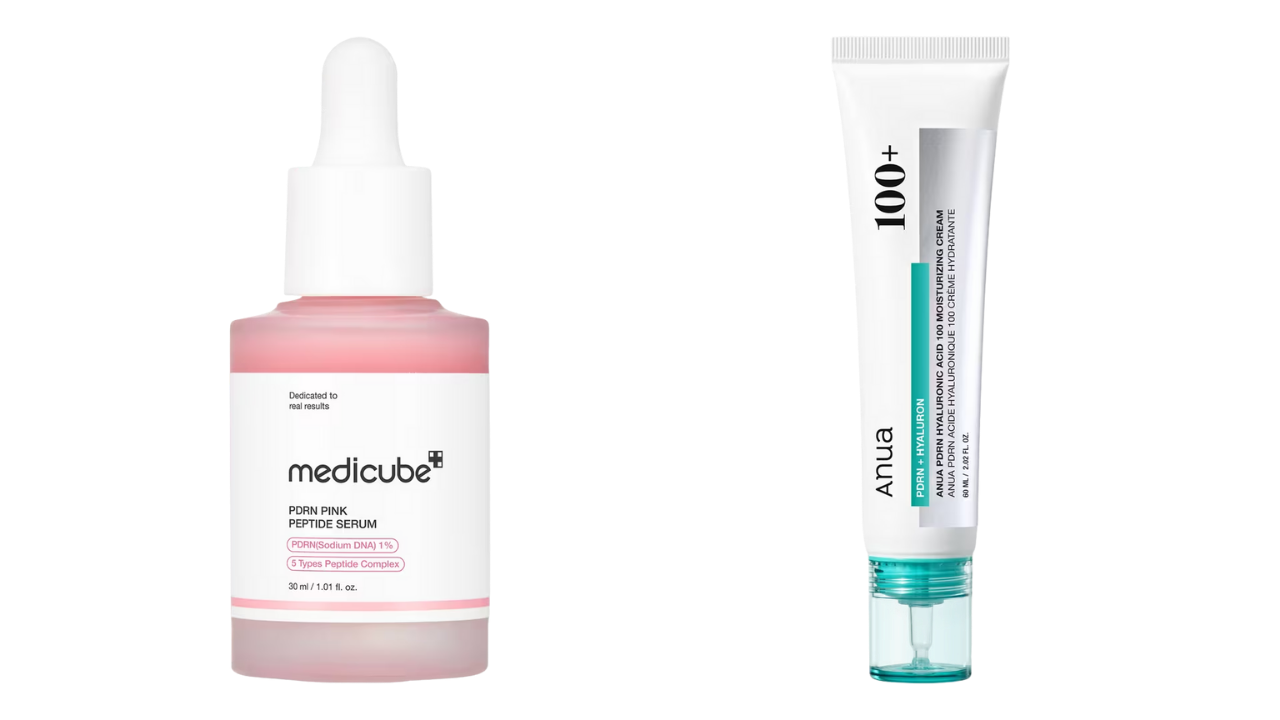
But here’s the thing nobody’s really talking about, the size of the molecule matters. PDRN is pretty large, so most of it just sits on top of your skin. All the serious clinical data we have comes from injections, not creams. So no, a jar of this isn’t going to erase your acne scars completely. What it can do is support repair and add hydration, especially when paired with hyaluronic acid or glycerin. Chemical exfoliation will always be the key.
If you want to try it, Anua’s PDRN Hyaluronic Acid Moisturizing Cream is a good entry point. Dr. Rejuall makes a more luxe version with botanical extracts. One note: it’s fish-derived, so if you’re vegan or have a seafood allergy, look for lab-synthesized alternatives, though the Earth was created for man idk.
PDRN isn’t a miracle. It’s one tool for supporting your skin barrier and managing inflammation. That’s it. Use it if you’re curious, but SPF, chemical exfoliation, and sleep are still doing mosttt of the work.